
Partner With Us:
Our troops, veterans, first responders & their families face extraordinary mental health challenges—but they don’t have to face them alone.
Organziations
Clinicians
Ministries
Learn More
Become a Certified Behavioral Health Coach and answer the call to serve
8 Trainings That Qualify You to Serve
Maximize your reach and impact with professional training. Apply for a scholarship to one of our courses to get started!

Human Flourishing Coaching
Human Flourishing Coaching is a specialized training program for coaches, pastors, and mental health professionals seeking to deepen their expertise in promoting flourishing through clinical and biblical insights.
Military & First Responder Mental Health Coaching
Military and First Responder Coaching is a specialized training program for coaches who want to support service members, first responders, and their families. Gain the tools to offer competent care, recognize the impact of trauma and stress, and promote resilience and recovery within a coaching framework.

Trauma-Informed Coaching
Trauma-Informed Coaching provides clinical insight and practical strategies to address the mental, physical, social, and spiritual effects of trauma, integrating faith into the recovery process. Gain the tools to respond effectively to trauma, promote healing, and walk alongside clients in their journey toward restoration.
Youth Mental Health Coaching
This program addresses issues such as anxiety, depression, trauma, behavioral disorders, and family stress through practical coaching skills and faith-based guidance. Gain the tools to relate to young people’s experiences, support families in crisis, and partner with the church to provide hope and direction for the next generation.

Professional Mental Health Coaching
Professional Mental Health Coaching is an advanced training program for those who want to support others facing anxiety, depression, trauma, and addiction. Participants will be equipped to grow a coaching business or serve within a clinical or ministry setting.
Recovery Alive Coaching
Recovery Alive Coaching Certification is for those who want to help others find freedom from past hurts, struggles, and addictions. Gain the tools to lead recovery groups, offer Christ-centered support, and create a faith-based recovery resource within their church or community.

Sexual Addiction Recovery Coaching
Sexual Addiction Recovery Coaching is a specialized coach training program for those who want to help individuals overcome pornography and sexual addiction. Participants will be equipped to guide others toward freedom and restored relationships through a Christ-centered approach.
Apply now
“Carry each other’s burdens, and in this way you will fulfill the law of Christ.”
—Galatians 6:2


Chad Robichaux
Mighty Oaks Foundation

Harold Koenig
Duke University

Tyler VanderWeele
Harvard University

Byron Johnson
Baylor University

Jennifer Wortham
Harvard University

General Tom Solhjem
Chaplain (Maj Gen) US Army (Ret)
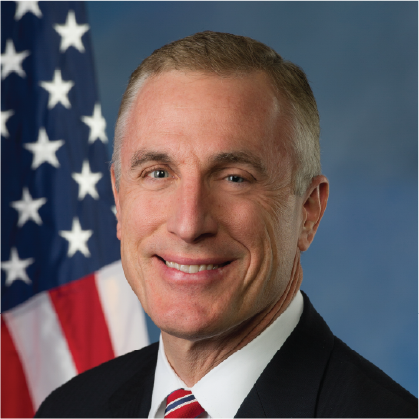
Tim Murphy
Clinical Director, Fortis Future

Father Charles Sikorsky
Divine Mercy University

Bishop Kelvin Cobaris
New Life Church International
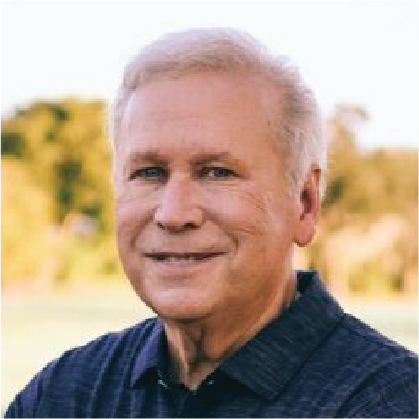
Jay Strack
Student Leadership University

John Sanders
Luke

Bill McCarthy
Logos

Jentezen Franklin
Free Chapel

Tim Clinton
American Association of Christian Counselors
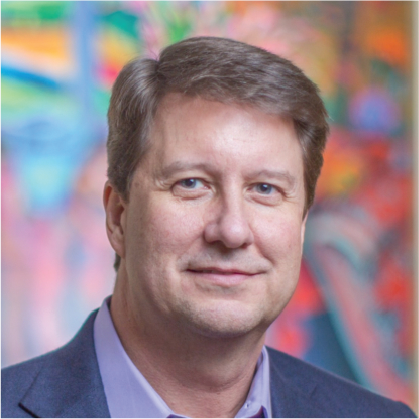
Matt Stanford
Baylor University
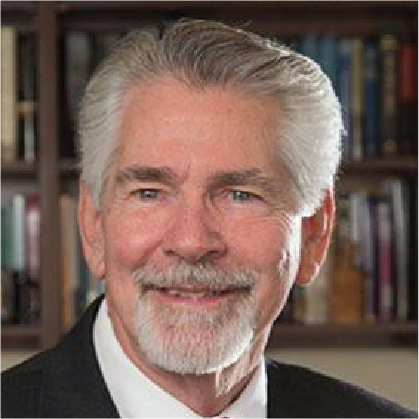
Ron Hawkins
American Association of Christian Counselors

Zach Clinton
American Association of Christian Counselors

Ben Allison
American Association of Christian Counselors

Kenneth Alo
United Hearts Bring Us Souls Foundation

Sam Bailey
Twin Lakes Baptist

Jack Graham
Prestonwood Baptist

Greg Surratt
Seacoast Church
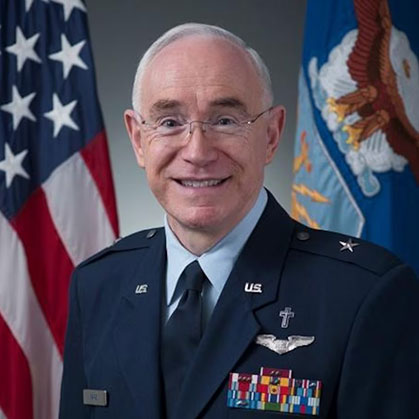
General Bobby Page
Chaplain (Brigadier General)

Maj. Gen. Chaplain Randall Kitchens
Chief of Chaplains (Air Force), Second Chief of Chaplains (Space Force)

Troy Miller
National Religion Broadcasters
How You can Help our heroes in need
Presence
Imagine a veteran or first responder sitting across from you—carrying unseen battles and long nights of duty. The greatest gift you can offer is presence. Slow down, be steady, and fully attentive. Create space where they feel safe to exhale, without needing the right words. Simply being there—with eyes that see and a heart that listens—says: “You matter. You are not alone.”
Voice
When conversation begins, choose words with care. Trauma-informed care asks, “What happened to you?” instead of “What’s wrong with you?”—restoring dignity and opening the door to healing. Listen more than you speak, and validate their story: “Many who’ve served have faced similar challenges. You are not weak.” Your voice can remind them that healing is possible, and hope is within reach.
Faith
Faith can be a steady anchor. For many who serve, spiritual strength has carried them through unimaginable trials. Invite them to rediscover that source of hope. A simple prayer or verse—“Carry each other’s burdens…” (Galatians 6:2)—can be a lifeline. Speak with courage: “God sees your strength, even in pain. You are not alone.”
Connection
Healing rarely happens alone. Encourage the next step—trusted peers, a support group, or a Certified Behavioral Health Coach who understands their journey. Your role isn’t to fix them but to guide them toward support. Even a simple follow-up—“I haven’t forgotten you”—can remind them that someone cares and they don’t have to walk this road by themselves.
professional training
Mental Health Training Interest Form